Español
 Português
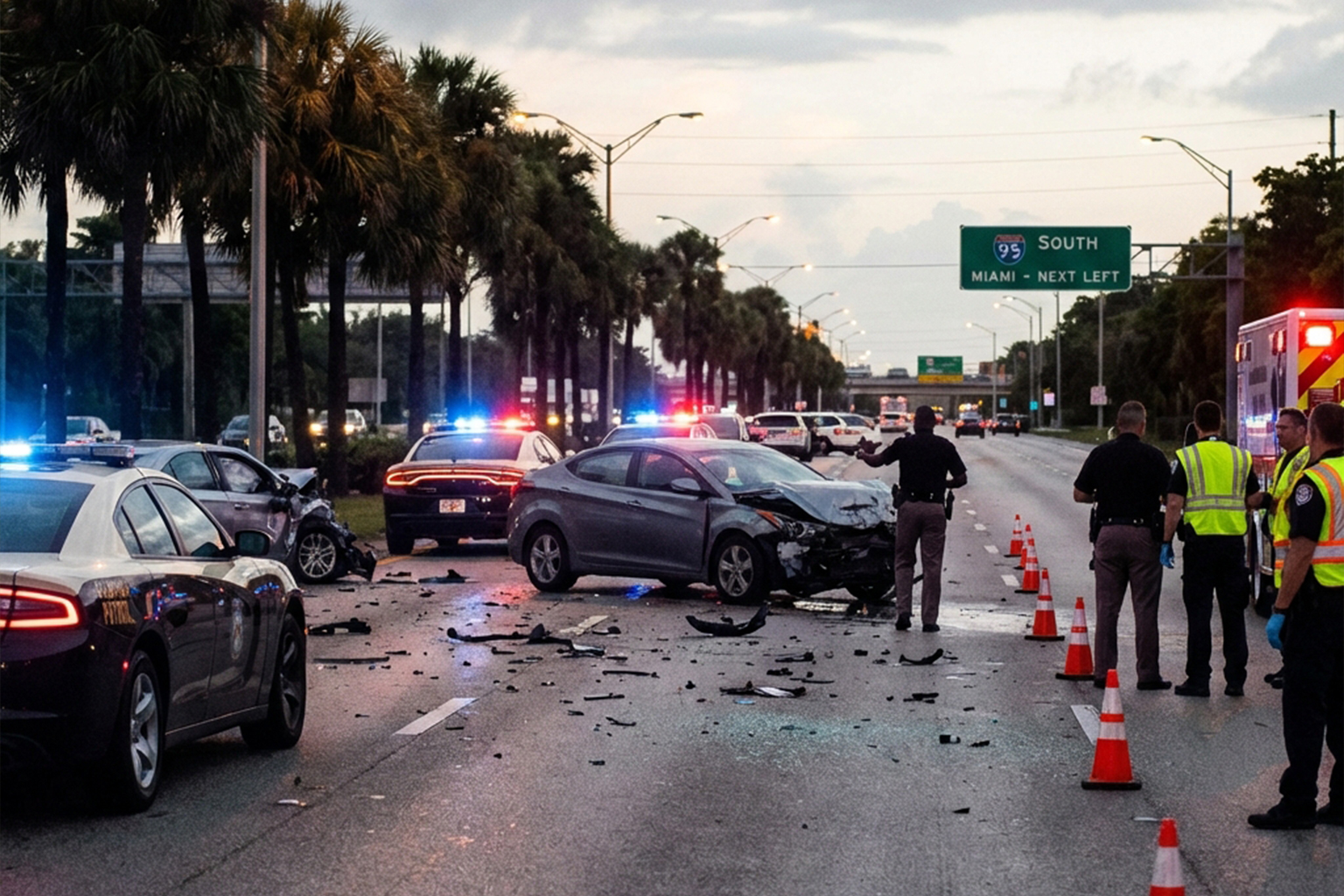
The city of Miami is reeling after a devastating hit-and-run accident on Tuesday, March 31, 2026, claimed the life of a 62-year-old man. The incident, which left a family in mourning and a community searching for answers, underscores the ongoing crisis of pedestrian safety and driver accountability in South Florida. As Miami police search for the driver who fled the scene, the legal and social implications of hit-and-run crimes are once again at the forefront of local discussion.
What Happened in the March 31 Miami Hit-and-Run?
The fatal collision occurred during the evening hours in a busy section of Miami. According to investigators, the 62-year-old victim was attempting to cross the street when he was struck by a vehicle traveling at a high rate of speed. Rather than stopping to render aid or call for emergency services, the driver accelerated and disappeared into the night. Witnesses at the scene attempted to provide assistance, but the victim’s injuries were too severe. He was pronounced dead shortly after the arrival of first responders. Police are currently reviewing surveillance footage from nearby businesses to identify the make and model of the fleeing vehicle.
The Legal Consequences of Leaving the Scene of an Accident
In Florida, leaving the scene of an accident involving a death is a first-degree felony. Under the Aaron Cohen Life Protection Act, drivers who flee the scene of a fatal crash face a mandatory minimum prison sentence of four years. Despite these harsh penalties, hit-and-run incidents remain alarmingly common in Miami-Dade County. These crimes not only deprive victims of immediate medical care that could save their lives but also leave families with significant hurdles in seeking justice and closure.
Common Causes of Pedestrian Accidents in Miami
Miami’s streets are notoriously dangerous for pedestrians. The combination of high-speed thoroughfares and dense urban environments creates a deadly environment for those on foot. Common factors in these accidents include:
- Poor Lighting: Many pedestrian accidents occur at night or in poorly lit areas where drivers fail to see people in the roadway.
- Speeding: Drivers traveling above the speed limit have less time to react to pedestrians and cause much more severe injuries upon impact.
- Distracted Driving: Drivers looking at phones or navigation screens are significantly less likely to notice pedestrians in crosswalks.
- Inadequate Infrastructure: A lack of well-marked crosswalks and pedestrian signals in certain neighborhoods forces individuals to cross in high-risk areas.
Wrongful Death Claims in Hit-and-Run Cases
Families of hit-and-run victims often wonder how they can seek compensation if the driver is never found. In Florida, there are several potential avenues for recovery:
- Uninsured Motorist (UM) Coverage: If the victim or a resident family member had UM coverage on their own auto insurance policy, this can be used to provide compensation for a hit-and-run death.
- Victim Compensation Funds: The state of Florida offers certain resources for victims of violent crimes, including hit-and-run incidents.
- Civil Lawsuits Against Identified Drivers: If the police successfully identify and apprehend the driver, the family can file a wrongful death lawsuit to recover damages for medical bills, funeral costs, and the loss of companionship.
What to Do If You Witness or Are Affected by a Hit-and-Run
If you are a witness to a hit-and-run, your actions can be vital in helping the police solve the case:
- Note the Details: Try to remember the car’s color, make, model, and any part of the license plate number.
- Stay at the Scene: Your witness statement is crucial for the official police report.
- Call 911: Provide the dispatcher with the direction the vehicle was traveling.
- Do Not Chase the Vehicle: Let the police handle the pursuit; your safety is the priority.
How Campione Law Investigates Pedestrian Fatalities
At Campione Law, we take a proactive approach to hit-and-run and pedestrian accident cases. We don’t just wait for the police report. Our team works to secure video footage from private security cameras, identifies and interviews additional witnesses, and consults with forensic experts to piece together the events of the crash. We are committed to using every available resource to find the truth and hold negligent parties accountable for their actions.
Frequently Asked Questions (FAQ)
Can a family still sue if the hit-and-run driver is facing criminal charges?
Yes. Criminal proceedings and civil lawsuits are separate. A family can pursue a wrongful death claim regardless of the status of the criminal case against the driver.
What if the victim was not in a crosswalk?
Even if a pedestrian was not in a marked crosswalk, a driver still has a duty to exercise reasonable care. You may still be able to recover damages under Florida’s comparative negligence laws.
How long does the police investigation into a hit-and-run usually take?
Hit-and-run investigations can be lengthy, often taking weeks or months as police wait for forensic results or follow up on leads from the public.
What damages are covered in a wrongful death settlement?
Settlements typically cover medical expenses, funeral and burial costs, loss of the deceased’s earnings, and compensation for the survivors’ pain and suffering.
Does my car insurance cover me if I’m hit while walking?
Yes, in many cases, your own Personal Injury Protection (PIP) and Uninsured Motorist (UM) coverage will apply even if you were a pedestrian at the time of the accident.
Why should I hire a lawyer for a hit-and-run case?
An attorney can help navigate the insurance complexities, conduct an independent investigation, and ensure that you are not taken advantage of by insurance companies during a vulnerable time.
Contact Campione Law Today
If your family is dealing with the aftermath of a hit-and-run accident in Florida, Campione Law is ready to help. We provide the experienced legal guidance needed to pursue justice for your loved one.
Email: [email protected]
Phone: 904-990-8400
Reach out to us for a free, confidential consultation to discuss your case.